
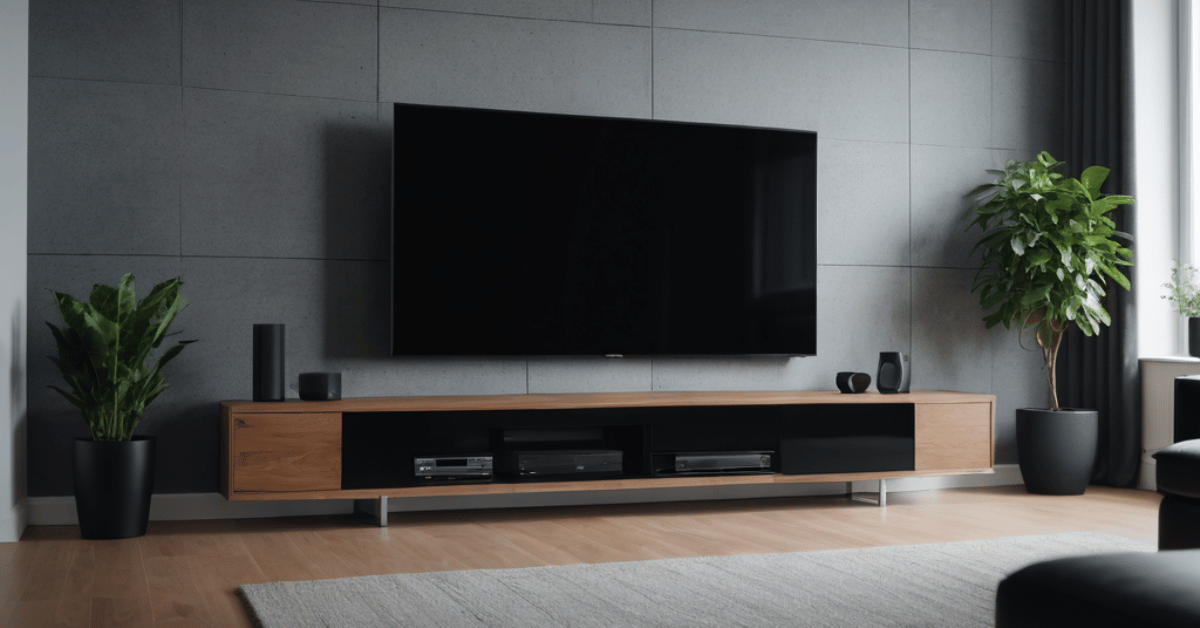
Finding the best TV height for viewing often becomes a topic that homeowners revisit long after their television is already mounted. While the installation process seems straightforward, the height at which the screen sits influences comfort, clarity, and how natural the overall experience feels when you settle into your seat. Understanding the best TV height for viewing helps avoid awkward positioning, neck strain, or the need to shift furniture after everything is in place.
Before examining the factors affecting placement, it’s helpful to note that Suncoast Installs specializes in wall mounting services throughout the Greater Tampa Bay area. Our services include TV installation, mounting and setup, picture hanging, artwork hanging, mirror hanging, and other wall-mounted projects. No TV is too large or too small. If professional assistance becomes necessary, Suncoast Installs can be reached at 727-480-8358 for scheduling or guidance.
The process of selecting the best TV height for viewing involves more than checking the center of the screen. Seating style, room configuration, screen size, and purpose of the space all play a role in shaping the final measurements. When these elements work together, the room feels balanced rather than forced.
Why the Best TV Height for Viewing Matters
Most people notice when a TV is too high or too low, though they may not immediately recognize why it feels off. The eye level ranges of individuals seated in typical living room furniture tend to fall between a predictable range. When the TV sits outside that range, the viewer compensates by adjusting posture. Over time, this leads to discomfort or reduced focus on the content displayed.
The best TV height for viewing promotes a centered, direct line of sight without lifting your chin or dipping your head. This straightforward approach supports relaxed engagement, especially during longer viewing sessions. Another key factor is how the screen’s viewing angle affects picture quality. Most televisions perform best when viewed straight on, which reinforces the importance of proper placement.
Beyond comfort, a well-positioned screen contributes to the room’s organization and flow. A TV mounted too high shifts attention upward in a way that doesn’t match natural seating positions, while a TV mounted too low disrupts furniture arrangements. Achieving the best TV height for viewing ensures the space remains functional and pleasant.
Understanding Eye-Level Positioning
Although every home has unique seating arrangements, eye level remains one of the most reliable starting points when determining the best TV height for viewing. When seated comfortably, most people have an eye level that falls around 40 to 45 inches from the floor.
Placing the center of the TV near this range typically produces an ideal angle for viewing. Variations occur depending on furniture height and screen size. Sofas with deep cushions, recliners, and sectional setups all influence eye level differently. Accounting for these differences ensures the TV height aligns with the way you actually use the room rather than how you think it might be used.
One reason this measurement works so consistently is that screens become easier to absorb when they align with the natural forward gaze. When the eyes track straight ahead, the body relaxes into the seat rather than compensating for uncomfortable viewing angles. This contributes to a smoother experience and reduces the likelihood of needing adjustments after installation.
Factors That Shape the Best TV Height for Viewing
Determining the best TV height for viewing requires evaluating several specific variables. Each one contributes to the overall placement, so working through them helps clarify the final decision.
Screen Size
Larger screens take up more vertical space. When placing a larger TV, the goal is to ensure the mid-point remains aligned with eye level. As a result, the top portion of the screen extends higher than it would with a smaller TV. This is normal and not a sign of incorrect placement.
Seating Distance
Closer seating requires lower placement to avoid excessive upward viewing angles. Seating positioned farther away can tolerate slightly higher mounting without compromising comfort.
Wall Type
Some walls limit mounting flexibility. For example, walls with structural beams near the mounting area may require adjustments. In other cases, built-in shelving, cabinets, or fireplaces influence placement options.
Room Function
A room used primarily for casual viewing benefits from a more relaxed height range. In contrast, a space used for presentations or group viewing may require a more centralized height for a wider audience range.
Taking time to evaluate these factors helps ensure the best TV height for viewing supports both the layout and the intended use of the room.
Recommended Height Ranges for Common Screen Sizes
Although the exact height depends on your space, some general ranges provide a starting point. These values assume average furniture height and seating distance:
- 42-inch TV: Center at approximately 40–44 inches
- 50-inch TV: Center at approximately 42–46 inches
- 55-inch TV: Center at approximately 44–48 inches
- 65-inch TV: Center at approximately 45–50 inches
- 75-inch TV: Center at approximately 47–52 inches
These ranges support a neutral viewing angle. Some homeowners prefer slight variation based on room layout, but the center of the TV generally remains near standard seated eye height.
Mounting Above Fireplaces: A Common Challenge
When rooms include fireplaces, homeowners frequently question whether they should mount the TV above the mantel. Although this placement seems aesthetically appealing, it often positions the screen higher than ideal. In most cases, the height above a fireplace exceeds the recommended center range.
The best TV height for viewing rarely aligns with mantel height unless the seating sits farther back than usual. If your room layout requires mounting above a fireplace, consider using a pull-down mount. These mounts allow the TV to sit higher when not in use and lower during viewing. This approach balances design preferences with practical viewing comfort.
Even though pull-down mounts involve more hardware, they often restore the natural line of sight needed for extended viewing sessions. Taking this approach supports both style and functionality without forcing the viewer into an uncomfortable position.
How Different Seating Styles Affect TV Height
Furniture influences the best TV height for viewing more than many people expect. A standard sofa creates one height range, while recliners change the mechanics of how the viewer sits.
Standard Sofas
These tend to support the recommended 40–45 inch eye-level range. The TV height aligns easily without major adjustments.
Sectionals
Because sectionals vary in design, some viewers sit higher or lower depending on cushion thickness. Measuring actual eye level helps produce more accurate placement.
Recliners
Recliners alter posture, typically leaning the viewer backward. This shifts the natural line of sight upward. In these cases, a slightly higher TV position feels more natural and reduces strain.
Bar Seating or Elevated Furniture
Rooms with raised seating require a TV placed appropriately higher. The center of the screen should still align with the seated eye level of those using the elevated area most often.
Considering furniture carefully avoids later frustrations and minimizes the chance of needing to reinstall the mount.
Mistakes That Interrupt the Best TV Height for Viewing
Some errors are common but prevent viewers from enjoying a smooth, comfortable layout:
- Mounting the TV based on standing height rather than seated height
- Forgetting to measure actual eye level
- Choosing a mount height based on furniture arrangement instead of viewing comfort
- Ignoring screen size when selecting the height
- Mounting above a fireplace without considering the viewing angle
- Placing the TV too high to keep it “out of the way”
These mistakes often lead to fatigue, reduced picture clarity, or simple frustration. Avoiding them supports a more enjoyable viewing experience right from the start.
How to Measure for the Best TV Height for Viewing
A precise method helps avoid unnecessary adjustments. Here’s a practical approach:
- Sit in your usual viewing position.
- Measure the distance from the floor to your eye level.
- Record the measurement.
- Identify the vertical center point of your TV (half the height of the screen).
- Adjust your mount location so the center point aligns with your measured eye level.
This straightforward method often produces the most accurate results. It considers actual usage rather than generalized assumptions.
Improving Viewing Angles with Adjustable Mounts
If your room includes asymmetrical seating, multiple viewing angles, or unique furniture layouts, an adjustable mount becomes valuable. Tilt mounts help direct the screen downward if the TV sits slightly higher than ideal. Articulating mounts allow the screen to extend outward and pivot for side-viewing areas.
Using an adjustable mount helps maintain the best TV height for viewing across different seating positions without compromising picture quality.
Maintaining Comfort After Installation
Even after you’ve mounted the TV, small adjustments help fine-tune the setup:
Check for Glare
Lighting changes throughout the day can introduce reflections. Tilt adjustments or different wall positions help improve clarity.
Confirm Neck and Shoulder Comfort
If you notice yourself lifting your chin, the TV might need lowering. If you tend to lean forward, the TV might be too low.
Evaluate Different Seating Areas
Multi-use rooms require broader viewing flexibility. Adjusting the angle or mount type helps balance these needs.
Making these assessments occasionally supports long-term comfort and consistent picture quality.
When to Seek Professional Help
If you’re uncertain about measurements, wall strength, wiring paths, or mounting hardware, working with a professional simplifies the process. Mounting a TV is straightforward for some layouts, yet more complex for others—particularly when involving fireplaces, structural obstacles, or advanced wiring needs.
Suncoast Installs specializes in mounting services throughout the Greater Tampa Bay area, handling TV installation, mounting and setup, picture hanging, artwork hanging, and related services. When you want a precise installation with accurate height placement, contacting our team at 727-480-8358 can save time and ensure reliable results.
Final Thoughts
Finding the best TV height for viewing requires a balance of measurement, practicality, and room design. When the center of the screen sits near your natural eye level, the viewing experience becomes smoother and more comfortable. Each room brings its own configuration, and adjusting for furniture, screen size, and seating distance ensures a setup that suits everyday use.
Suncoast Installs proudly supports homeowners throughout the Greater Tampa Bay area with professional mounting and wall-installation services. Whether you need help positioning your TV at the best TV height for viewing or want assistance with picture, artwork, or mirror hanging, our team is available at 727-480-8358 to help organize your space with confidence. The right height makes all the difference when aiming for the best TV height for viewing experience possible.